We Believe Access Begins with Design
When technology is inaccessible, learning becomes inaccessible. Millions of learners and workers rely on digital tools every day, yet too many technologies are still designed without accessibility in mind. At CAST, we believe accessibility must be built into technology from the start—not added later. Accessible technology expands opportunity, strengthens participation, and helps ensure everyone can learn, work, and thrive.
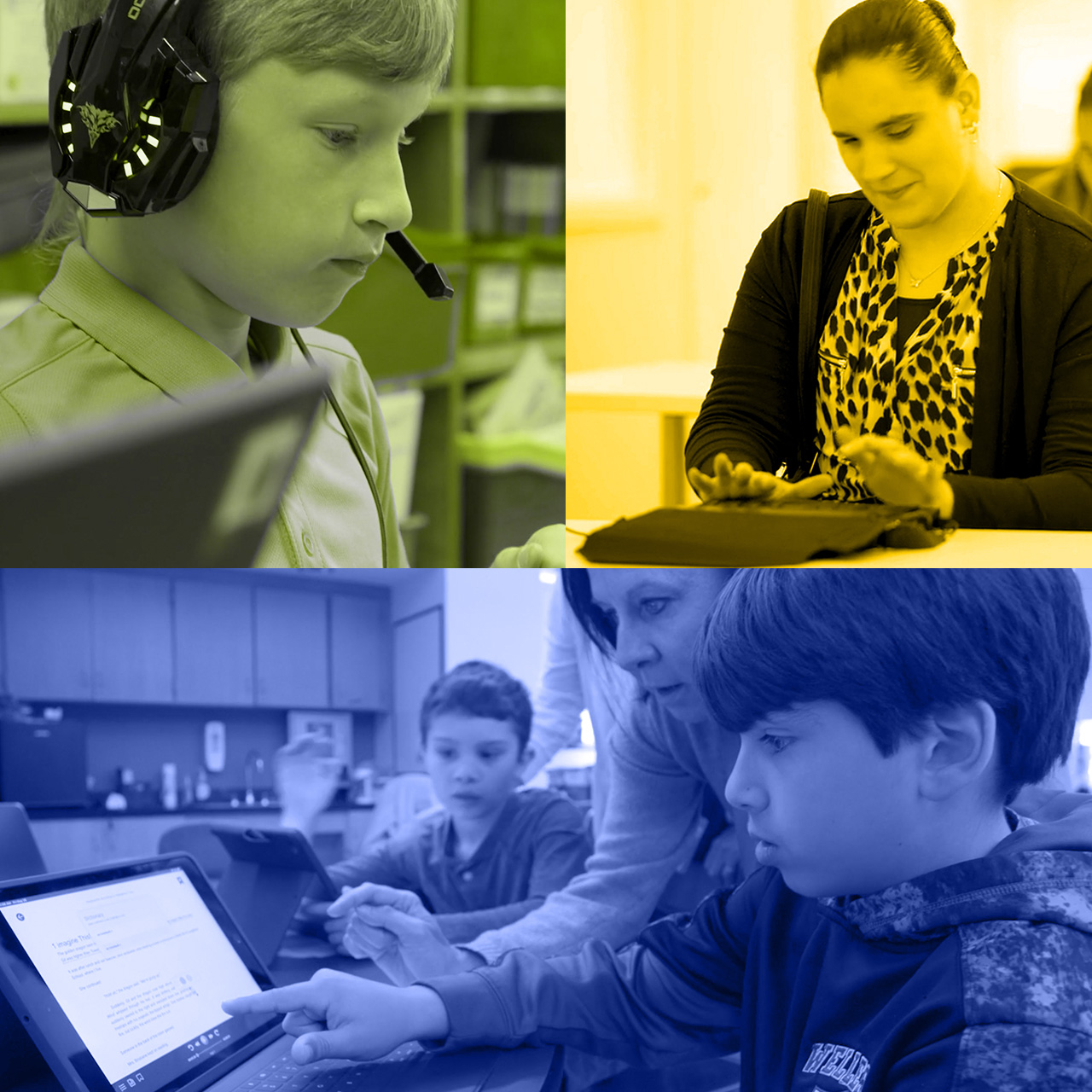
Data that Drives our Dedication
-
96%
of the top 1 million web pages have detectable accessibility errors.
Source: WebAIM
-
7M+
students in U.S. public schools receive special education services under IDEA.
Source: NCES
-
20%
of Americans use some form of assistive technology.
Source: NCA
-
1/4
adults in the US live with a disability.
Source: Neurology®
Data and research drive CAST’s work, informing the design, development, testing, and dissemination of accessible and innovative educational practices, products, and recommendations that the global community can trust. We’re dedicated to finding evidence-based solutions and improving outcomes.
Our Universal Design for Learning framework is grounded in real-world evidence and is continually evolving to reflect new learning science research. Learn more about the evidence and benefits behind UDL.
Accessible EdTech is a Game Changer
When students rely on technology to learn, inaccessible technology can leave them stranded in an inaccessible classroom. More than 7 million students in U.S. public schools receive special education services under IDEA, and millions more learners experience barriers related to language, literacy, executive functioning, sensory processing, attention, temporary injury, internet or physical access, or inconsistent learning environments. Adult learners and workforce learners increasingly rely on digital systems for training, credentialing, and employment pathways.
In this video, real learners who rely on technology to access and contribute to their learning communities share their experiences.
Experience Matters
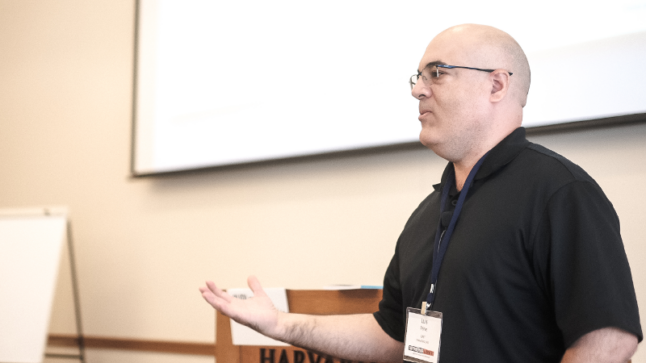
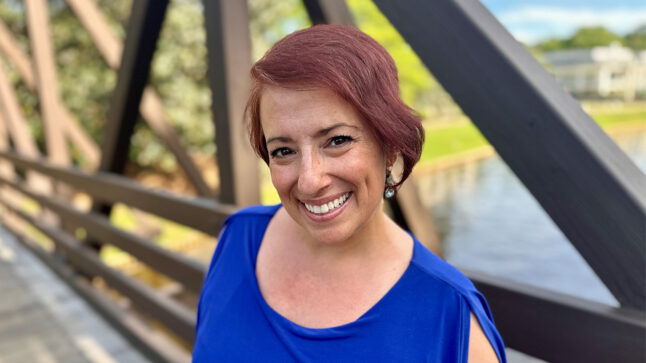
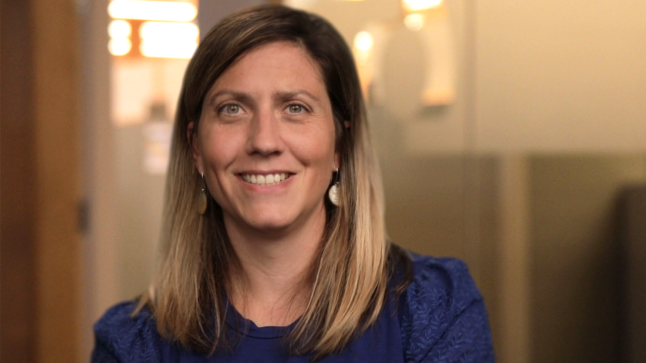
At CAST, we believe experience matters. As an organization, we have decades of experience a the forefront of inclusion – including establishing a national approach to accessible instructional materials.
The lived experiences of our team members shape how we think about accessibility, drive our innovation, and strengthen our commitment to designing learning environments and technologies that are more accessible, inclusive, and effective for everyone.
Build Your Skills
- Introduction to Designing for Accessibility: A flexible, self-paced course that builds practical skills for evaluating, creating, and implementing accessible educational materials using UDL principles.
- UDL Product Certification: A two-step certification process, that evaluates EdTech products for accessibility and alignment with the UDL framework supporting inclusive, barrier-free learning experiences.
- Assistive Technology Wheel: A practical, easy-to-use tool that helps educators quickly connect learner needs with dozens of digital and analog assistive technology solutions.
- POUR on Accessibility: Explore how to create an accessible experience by using the POUR technique or accesses other free resources for creating more accessible websites, videos, documents, and social media posts.
Learn with CAST
- Dive deeper into research and practical recommendations for creating more accessible and inclusive learning environments, including Designing Assistive Technology That Works in Schools: Lessons from the Field, Universal Design for Learning (UDL) as a Lever for Inclusive and Accessible Data Collection and Inclusive and Accessible Assessments and Educational Technologies research agenda.
- Explore blog posts that connect inclusive design with today’s most pressing accessibility needs, including Accessible by Design: Reimagining Assessments with Universal Design for Learning and How does my organization comply with Updated Title II ADA Requirements?
- Discover how CASTs accessibility services help schools, districts, organizations, and EdTech developers move beyond basic accessibility to create more inclusive digital tools, assessments, and learning experiences grounded in accessibility, UDL, and learner variability.
- Connect with CAST’s accessibility experts, IAAP-certified professionals, bringing recognized accessibility expertise and industry standards to every engagement.