Introduction
In 2021, CAST was awarded a U.S. Department of Education Office of Special Education Programs (OSEP) grant to provide technology-based professional learning for educators to support students with disabilities. This project, Opening Access to Science Instruction and Support (OASIS), developed a scalable approach for instructional coaches to use when working with elementary teachers in inclusive classrooms. The OASIS project prioritizes engagement with the inquiry process and ensuring opportunities for every learner through the Universal Design for Learning (UDL) framework.
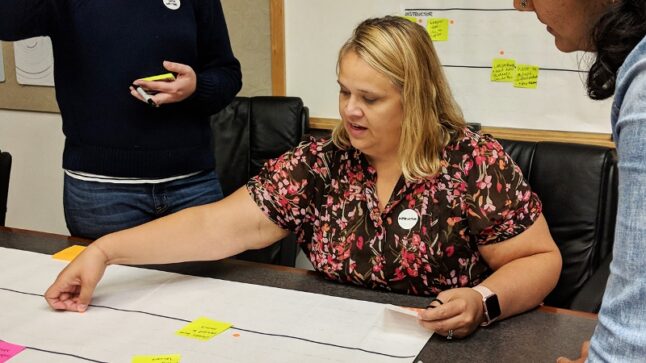
The OASIS project utilized an extensive co-design process to gather input from coaches, teachers, and students, leading to the development of coaching and instructional resources that align with classroom needs.
“Both the teacher and students were more engaged with thinking about science and making connections.” Instructional Coach, Alief Independent School District
Opportunity
Many states and districts are shifting their expectations for elementary science to include more student-centered inquiry processes. This can pose challenges for teachers who need to support students in collecting and analyzing data, developing a claim with evidence and reasoning, and making sense of scientific concepts. The OASIS project aims to build capacity of coaches and teachers to implement effective science instruction for all learners through a scalable coaching platform that harnesses Universal Design for Learning principles. OASIS teamed with a Texas school district for an extended co-design process to create resources and structures that would be high-quality, relevant, and useful for educators.
OASIS Participation
- 7 Coaches across pilot studies 1 and 2
- 16 Teachers from 4 schools
- 500+ Students in 4th and 5th grade
Process: Development Through Co-Design
The OASIS project began with an extended pilot phase working with schools in the Alief Independent School District in Houston, Texas. Across two school years, the OASIS team developed, tested, and refined materials, using feedback from coaches and teachers to iteratively inform resources in an agile design-based research process. The OASIS team was also supported by an advisory council of experts in research design, professional development, special education, and science instruction.
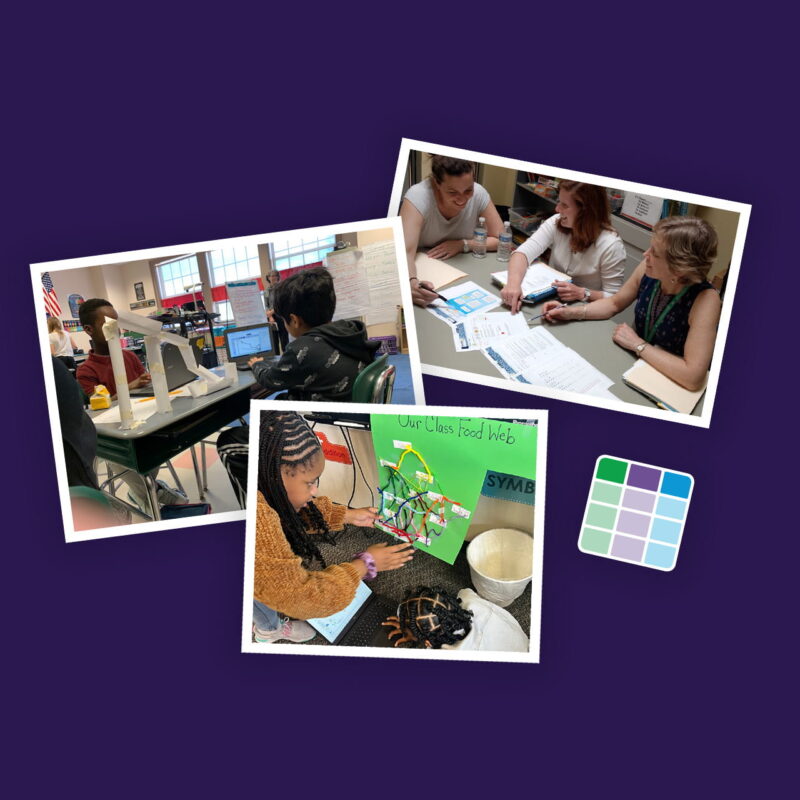
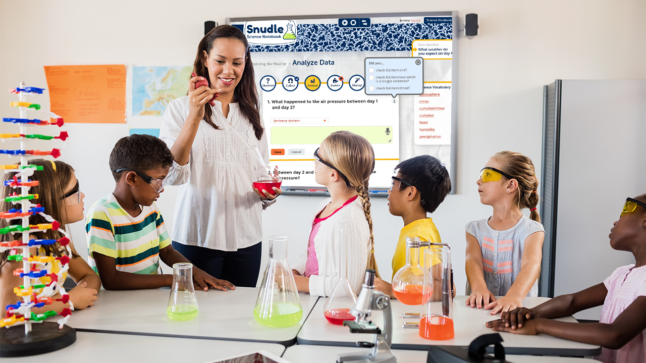
Pilot study 1 included 4 instructional coaches and 4 teachers. During the pilot study, the coaches received training through online professional learning sessions. Training topics included the OASIS coaching cycle, coaching best practices, student motivation, and using SNUDLE, a universally designed digital science notebook. These four coaches each trained one science teacher. During this pilot study, the OASIS team utilized observations, focus groups, and surveys to learn more about pain points for teaching and coaching science and to receive feedback on the initial OASIS training resources. Educators identified challenges with implementing science investigations, working with data, and establishing and supporting claims. The OASIS team used this feedback to continue developing resources to support coaches, teachers, and students.
Pilot study 2 worked with a set of 3 coaches and 12 teachers across 3 elementary schools, allowing for further programmatic refinement through this iterative design process. In this phase, data was collected from not only coaches and teachers but from students and families, producing a well-rounded view of challenges and successes in science instruction.
Feedback gathered in this phase suggested improvements in the areas of planning time, connections between teachers, and student-facing resources. Additionally, coaches provided specific feedback on structuring training and research activities that informed the implementation phase of the project.
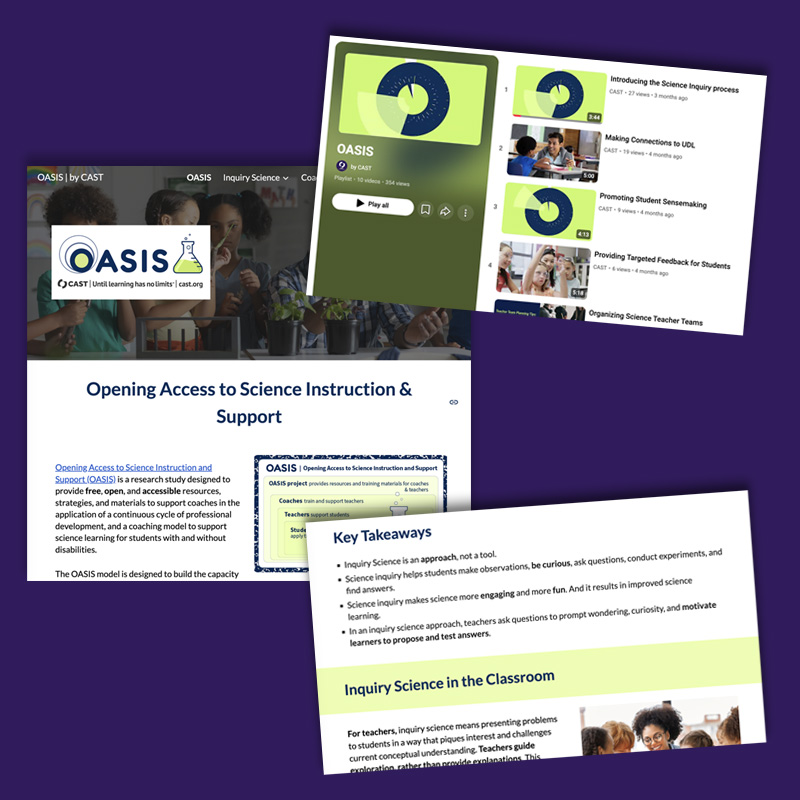
The co-design process led to an expanded video series and a website platform to organize and house OASIS resources.
Results
Overall, the pilot studies provided a crucial connection to the educators that would ultimately be using OASIS resources. Project development was grounded in the needs of actual classrooms so that the final coaching platform could be most useful to instructional coaches in supporting teachers to support students. Through the pilot study feedback cycle, the OASIS team was able to adjust resources to address common pain points, re-organize materials to align with the cycle of inquiry science, and design a centralized website for easier access. Coaches and teachers were excited to contribute to the study and showed strong scores on perceptions of their own efficacy for coaching or teaching science.
UDL Move
UDL Consideration 3.2: Highlight and explore patterns, critical features, big ideas, and relationships.
The OASIS resources are structured to support exploring the relationship between big ideas. The OASIS website houses tips and support that are organized by an inquiry cycle, to connect with the cycles being used in the classroom. SNUDLE, a universally designed digital notebook, scaffolds the process of exploring patterns and making connections by highlighting the relevant Big Science Idea on every notebook page and by drawing attention to critical features of the inquiry with an opening Focus Question.
Interested in partnering with CAST?
Complete our contact form to find out how we can support your school or district’s PreK-12 program.
Related to this Case Study
Related articles