Luanda International School UDL Professional Learning at a glance
- Location: Luanda, Angola
- Audience: Teachers, teaching assistants, administrators, school leaders
- Focus: Universal Design for Learning (UDL)
- Goal: Sustainable schoolwide implementation
- School community representing 51 languages
- Two days of professional learning
 What happens when educators from different corners of the world come together around a shared commitment to inclusion? Perspectives broaden, possibilities expand, the commitment becomes stronger, and new opportunities for learner success emerge.
That spirit was on full display during CAST’s partnership with Luanda International School in Angola. Together, educators, teaching assistants, and school leaders explored how Universal Design for Learning (UDL) can be used to create flexible learning environments, strengthen inclusive practices, and support the success of every learner.
Bringing UDL to Luanda International School
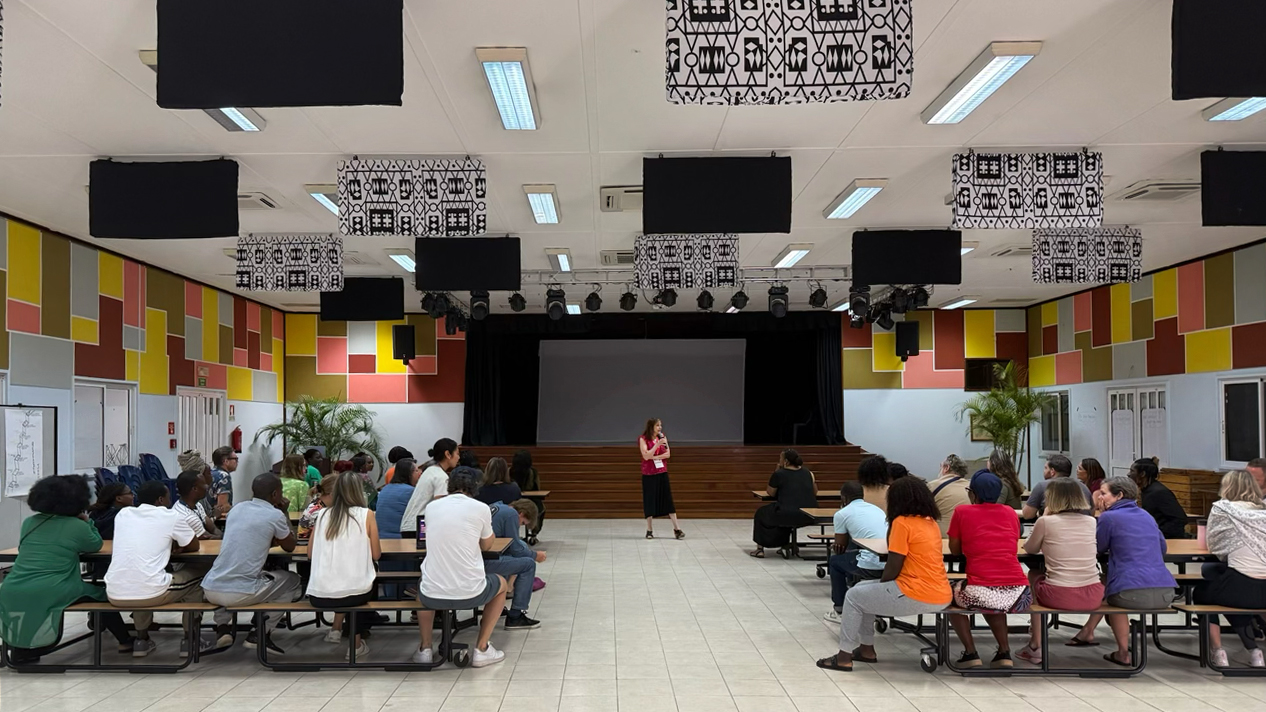
This fall, a team from CAST had the honor of spending two days at Luanda International School (LIS) in Angola, an International Baccalaureate (IB), school facilitating professional learning on Universal Design for Learning (UDL) with their outstanding educators, administrators, IB Coordinators and teaching assistants. What unfolded was far more than training; it was an exchange of ideas, cultures, and shared purpose.
How do you build a culture of inclusion?
Luanda International School serves a vibrant and diverse community of learners and educators from around the world with 51 languages spoken. Their ongoing commitment to inclusive education and accessibility is evident in every conversation and activity.
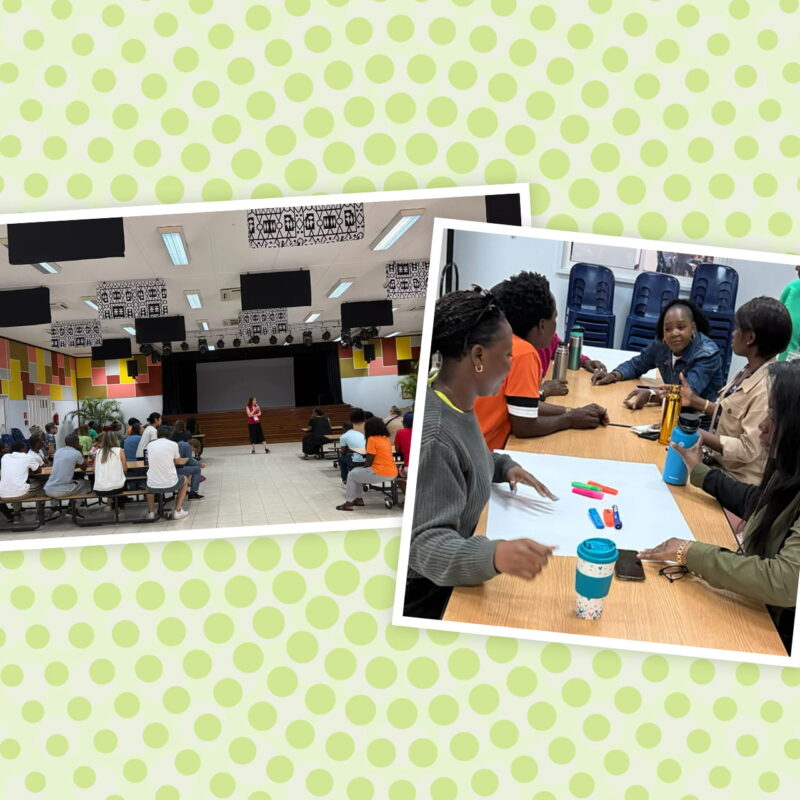
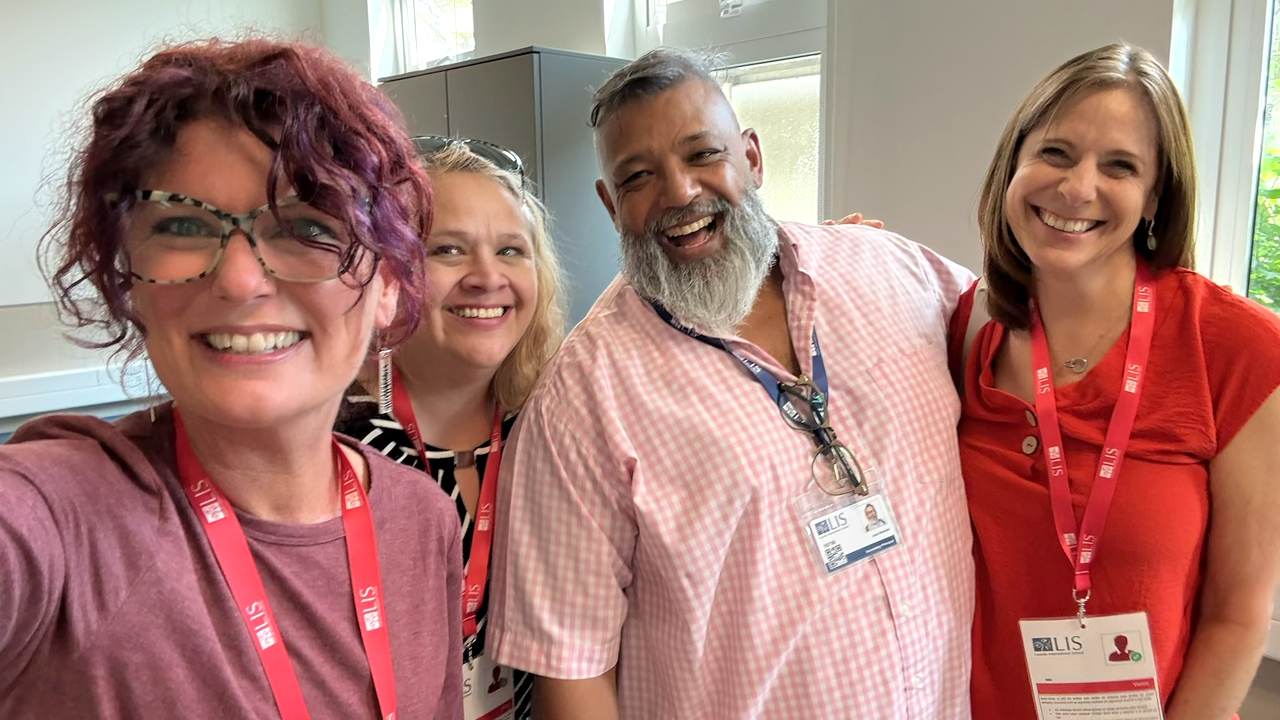 Over two days, CAST’s team, Kelli Suding, Melissa Sanjeh, and Jennifer Levine, engaged with staff through interactive workshops, modeling how UDL principles can help all learners access, engage, and express what they know in ways that honor their strengths and needs.
Educators explored how Universal Design for Learning supports learner variability and helps schools create more inclusive learning environments. From classroom teachers to administrators and teaching assistants, the enthusiasm and curiosity in every room were unmistakable.
As one participant shared,
“UDL gives us a framework to ensure no student feels left behind, it gives us a way to see and support everyone.”
Professional learning for teachers
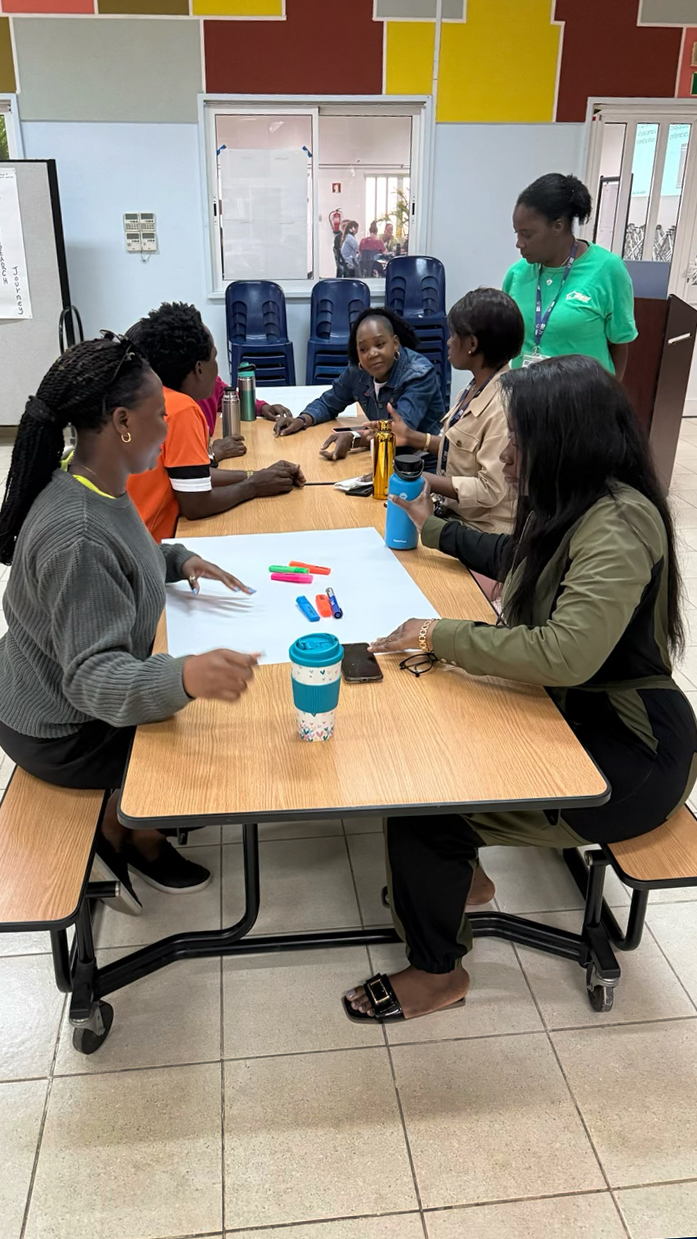 Each day began with gratitude, laughter, and an openness to learn from one another. CAST’s facilitators were struck by how quickly educators embraced the collaborative spirit of UDL, not as something “new,” but as something that reflected the inclusive mindset, they were already living out at Luanda International School.
Throughout the sessions, participants engaged in hands-on activities, reflective discussions, and collaborative planning. They asked powerful, forward-thinking questions.
By the end of Day 2, the rooms were buzzing with ideas. Educators shared examples of how they could immediately apply UDL strategies, from flexible assessment options to new ways of fostering student voice and choice.
Even as the school prepared to begin their holiday break, the energy never wavered. Conversations continued into an afternoon campus celebration, where connections deepened, and the shared commitment to inclusive design was clear.
Bringing UDL to teacher assistants
A highlight of the experience was the dedicated workshop for teaching assistants (TAs), many of whom are local to Angola. In this session, CAST facilitators and TAs built a space of trust, reflection, and laughter. Participants shared their daily experiences, celebrated their roles as essential partners in learning, and explored how UDL empowers them to better support students and teachers alike.
By the end of the session, what began as a group of professionals had become a community of colleagues. In true CAST fashion, the session ended with a moment of joy, a group photo and a unanimous “yes” to taking a silly one too.
In another session, CAST facilitators worked with administrators on building a sustainable plan to continue the learning for schoolwide UDL implementation. Together, they discussed how UDL can provide more access to rigorous International Baccalaureate programming through flexible pathways and inclusive policies, while also examining policies, instructional practices, professional learning structures, and systems that support access, agency, and belonging.
Beyond the two days: Ongoing UDL implementation
Though the professional learning spanned just two days, the impact will continue well beyond the walls of Luanda International School. The CAST team left Angola deeply inspired by the educators’ passion, the school’s leadership, and the meaningful conversations that bridged languages, cultures, and experiences.
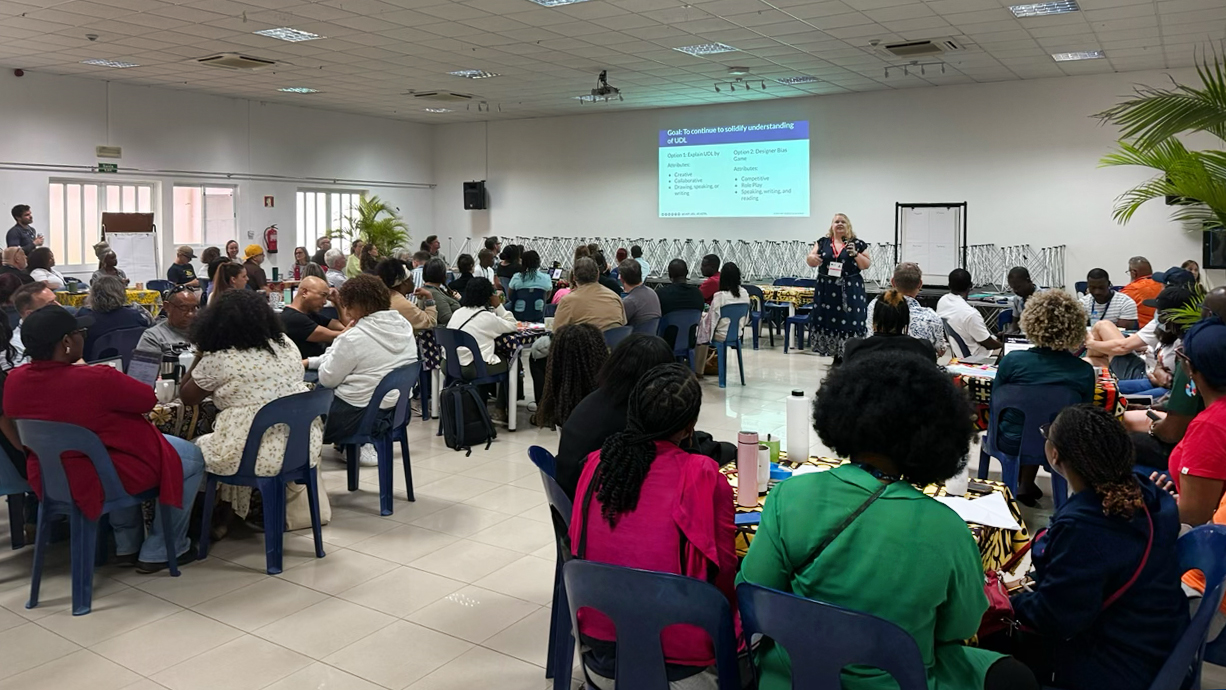 This collaboration also served as a powerful reminder that CAST’s mission, to make learning accessible and inclusive for all…is truly global. It’s a collective effort that involves every arm of the organization, from research and design to professional learning and partnerships.
CAST team member Kelli Suding reflected, “We may have been the ones who traveled to Angola, but this work represents the collective effort of our entire CAST community. Every colleague’s expertise and dedication made this experience possible.”
As Luanda International School continues to integrate UDL into its teaching and learning practices, CAST is honored to have played a small part in supporting their journey. The experience underscored a universal truth that connects educators everywhere: when we design for variability, we design for humanity.
Key takeaways for International Schools interested in UDL
- UDL supports inclusive education by designing for learner variability.
- Effective implementation engages educators, teaching assistants, and school leaders.
- Inclusive learning environments increase access, agency, and belonging for all learners.
- Professional learning is most impactful when educators can immediately apply new strategies.
- For International Baccalaureate schools, UDL strengthens inquiry-based, globally minded learning by helping educators design flexible pathways for learners to access content, express understanding, and develop agency.
Schoolwide UDL implementation requires leadership, planning, and sustained collaboration.
Explore ways UDL builds a culture of inclusion


Related articles