Introduction
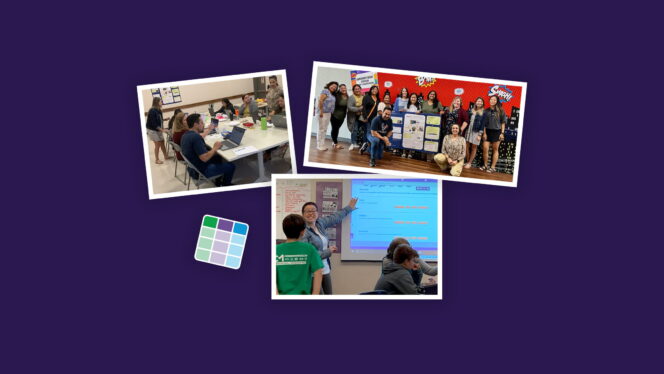
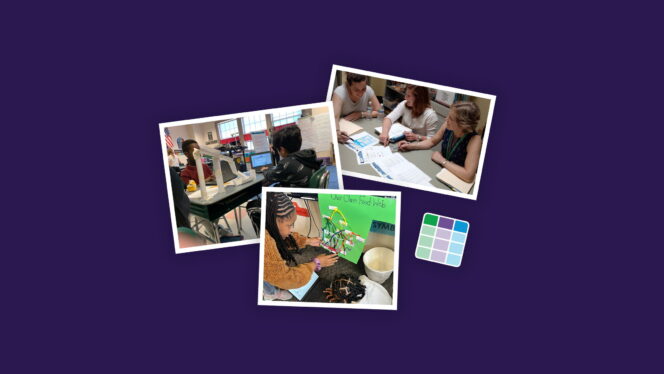
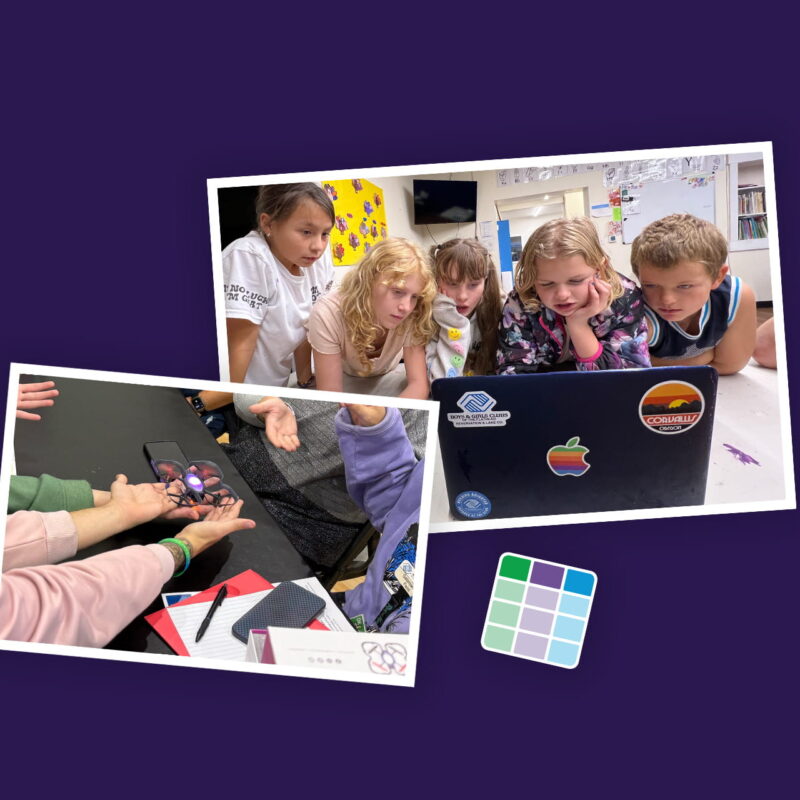
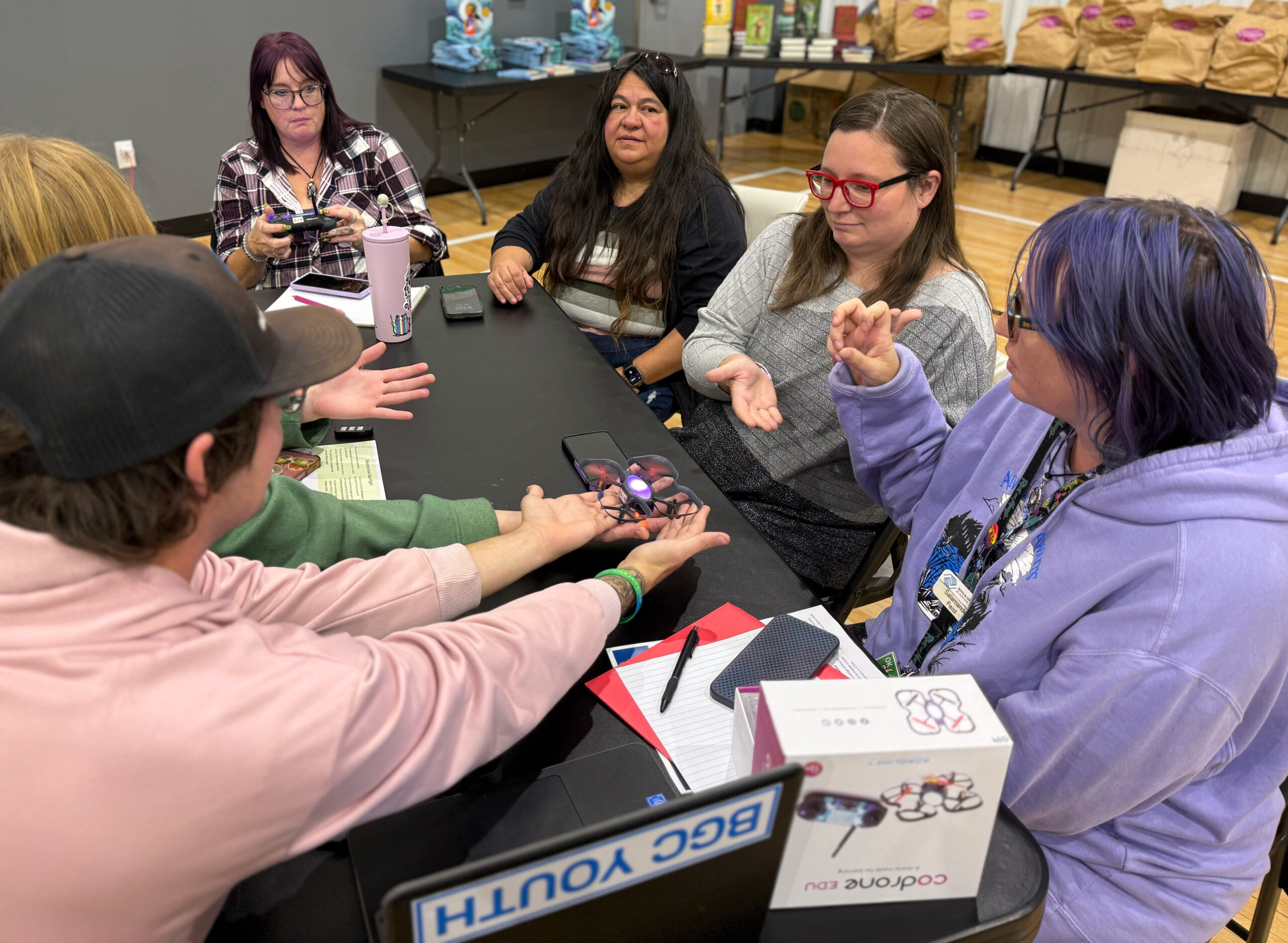
CAST partnered with aiEDU to bring AI education to rural communities at the Boys & Girls Clubs in Montana. Educators were provided with AI education resources and activities, such as drone flying, pop-up card making, and a homework help protocol, all with embedded AI supports and recommendations. Over the course of two months, educators implemented these AI-assisted activities to grow both their own understanding and practice of AI as well as their students’.
“[AI in the Big Sky] was a fantastic success in large part because of the amazing presenters we had. Especially Connor from aiEDU and Amanda from CAST.” Aric Cooksley, CEO Boys & Girls Club of the Flathead Reservation & Lake County
Opportunity
Educators working in afterschool programs face a growing challenge: artificial intelligence tools are now widely accessible to students, yet most educators have received little to no training on how to meaningfully incorporate these tools into instruction. Without that foundation, AI becomes something that happens around learning rather than something that supports it. Educators miss real opportunities to use AI for differentiated instruction, personalized feedback, creative projects, and keeping students genuinely engaged during hours that can easily drift toward passive screen time.
AI in The Big Sky Participation
- 3 New STEM/AI protocols designed as free, interactive learning resources
- 168 Boys & Girls Club staff trained in STEM, AI, and UDL throughout the 3-month project
- 31 AI Field Kits delivered to Boys & Girls Clubs across Montana
Process
To ensure the work reflected real educator needs, the process began with focus groups and surveys with afterschool educators. This phase focused on understanding their familiarity with AI, their comfort level, and where they saw it fitting naturally into their programs.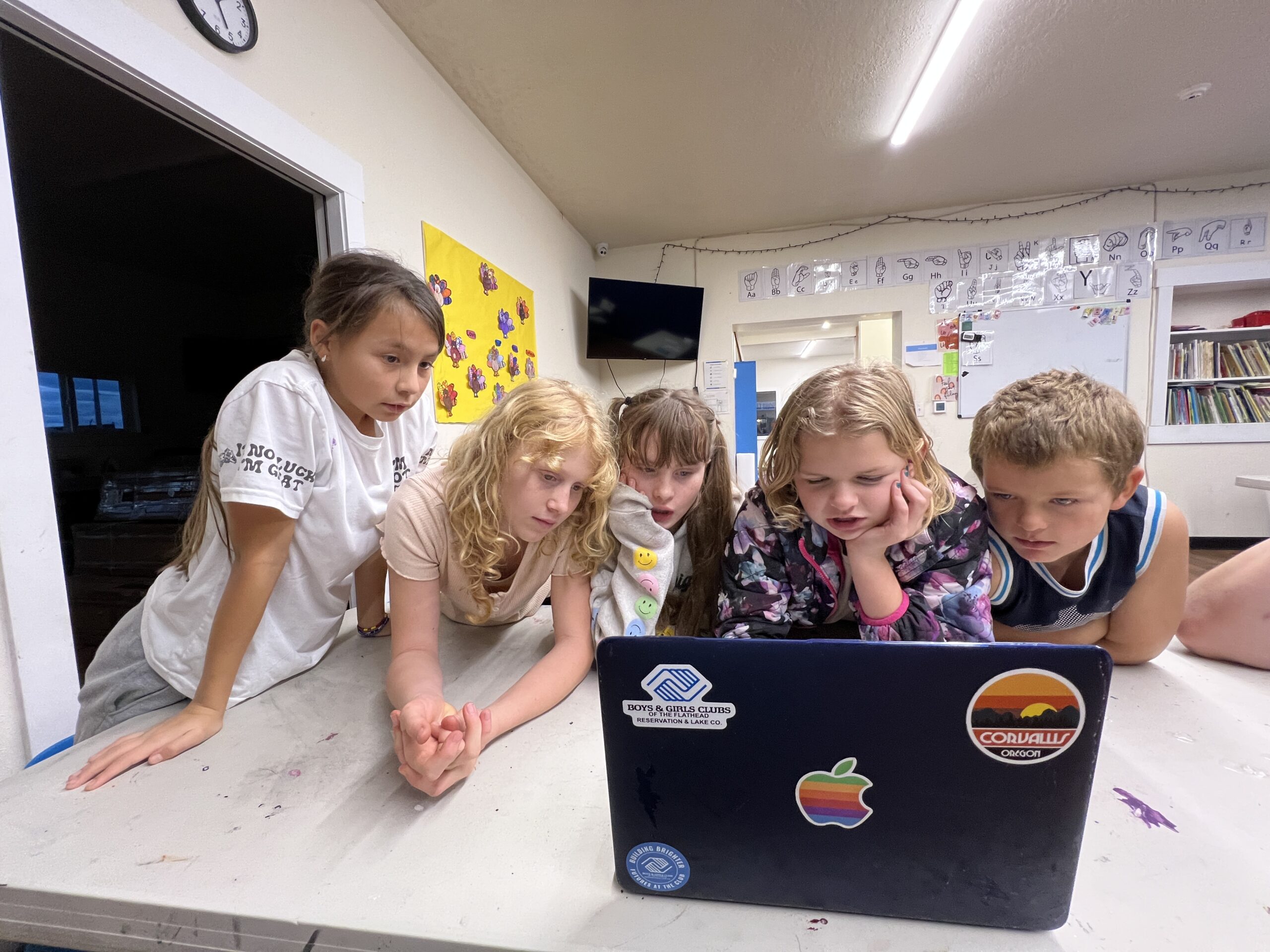
From there, the team looked at activities that were already working in afterschool settings and asked where AI could add meaningful value. Drone programming became an opportunity to explore how AI could assist with coding and create relevance for students. Pop-up light-up card making was augmented with AI to expand the activity to different contexts or forms. The goal was to make AI feel like a natural extension of activities students were already engaged in, not a separate lesson bolted on.
The team also developed a structured AI for homework help protocol, addressing one of the most immediate and complicated ways students already encounter AI. Rather than leaving that behavior unguided, the protocol gave educators a framework for helping students use AI as a thinking tool, not a replacement for thinking.
“The work they [CAST & aiEDU] did to make STEM and AI accessible and not scary was remarkable. I have had Club leaders from across Montana express their thanks … This will be a game changer for kids…” Aric Cooksley, CEO Boys & Girls Club of the Flathead Reservation & Lake County
Results
 Data collected throughout the project demonstrates that educators found value in the training and that their attitudes towards AI shifted. Training participants overwhelmingly felt the in-person context and the physical kits (protocols) were helpful. Nearly half said they appreciated aiEDU’s resources, and follow-up surveys indicated that more people utilized aiEDU for information about AI.
Before the project, educators saw AI as critical, but lacked experience, confidence, and entry points to start using and teaching about AI.
- 63% believed it was extremely important for students to know how to use AI
- 64% of participants reported they had never used AI to develop a lesson plan; over half reported it had never occurred to them, or they did not know how to use AI in that way.
- Nearly 80% had never taught students about AI. Only 2% reported discussing AI regularly.
In post-test surveys following the project, educators reported a significant increase in their comfort level with AI and noted they had begun incorporating it into their lessons.
- Respondents showed a marked increase in their ability to evaluate AI, with 68% of educators reporting comfort in understanding the technology’s strengths and limitations compared to just 32% before the project. This shift was also evident in their ability to determine the reliability of AI chatbots for answering homework questions, which rose from 27% to 60% of educators being comfortable.
- Over half of the respondents at post-test said they had taught students about AI, compared to fewer than 10% at pre-test.
- Similarly, 72% of respondents said they had used AI to develop an activity or lesson, compared to 44% at pre-test.
Participant responses demonstrated revised attitudes towards AI.
After the trainings and use of the AI STEM Field Kits, participants remained concerned about AI downsides like plagiarism and cheating, but also expressed optimism and an eagerness to learn about how AI could ease barriers and even be fun.
Participants reported an increased comfort level with AI:
- “This training helped me see that AI isn’t something to be afraid of, it’s a tool that can help us teach kids better.”
- “The discussion about ethics was eye-opening. It made me think about what ‘help’ really means.”
- “The field kit made STEM feel accessible, even for those of us without a tech background.”
Respondents emphasized experimentation as a learning norm:
- “Trial and error is key to the STEM experience!”
- “That it takes patience and time.”
Educators reported a shift in how they want to approach teaching STEM and AI:
- “A deeper understanding of variability and voice for our staff.”
- “Learners differ in the ways in which they can be engaged or motivated to learn.”
- “Changing the way I look at situations and problems.”
- “Knowing what barriers are in the environment and meeting staff and members where they’re at.”
Overall, the training and structured supports for educators in after-school programming built their understanding and practice in utilizing AI-assisted activities as part of meaningful instruction.

UDL Move
UDL Consideration 4.2: Optimize access to accessible materials and assistive and accessible technologies and tools.
AI tools and protocols are a form of accessible technology. For students who struggle with homework due to learning differences, language barriers, or lack of outside support at home, an AI homework help protocol provides structure for assistance they might not otherwise have. Similarly, using AI within hands-on activities like drone programming and card making can help scaffold participation for students who might disengage from more traditional instruction.
Explore these Free Resources for Educators
- Explore the free AI frameworks on aiEDU’s website
- Try the CAST-developed AI Homework Protocol
Interested in partnering with CAST?
Complete our contact form to find out how we can support program.
Explore the ways UDL supports STEM and AI literacy



Related articles