What is UDL?
Universal Design for Learning (UDL) is an educational framework to improve and optimize teaching and learning for all people based on scientific insights into how humans learn. The goal of UDL is build learner agency that is purposeful & reflective, resourceful & authentic, strategic & action-oriented.
Find out how the UDL framework guides the design of instructional goals, assessments, methods, and materials that can be customized and adjusted to meet individual needs.
CAST Universal Design for Learning Guidelines™
The CAST Universal Design for Learning (UDL) Guidelines are a tool to support educators, curriculum developers, researchers, parents, and more to apply the UDL framework to practice. These guidelines offer a set of concrete suggestions that can be applied to any discipline or domain to ensure that all learners can access and participate in meaningful, challenging learning opportunities.
The UDL Guidelines are organized into three key principles: Engagement, Representation, and Action & Expression. When a variety of options are available to provide multiple means of approaching each principle, barriers are reduced and access to that princple is increased.
Explore the UDL Guidelines website to access full descriptions of each guideline and associated considerations.
Engagement
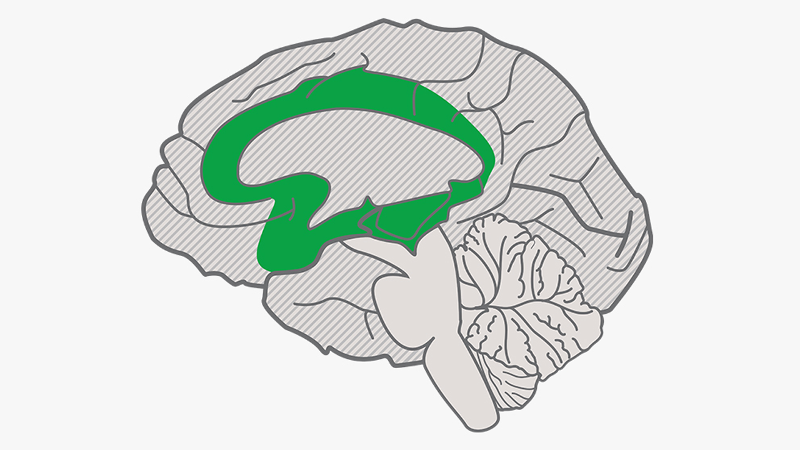 Design options for welcoming interests and identities, effort and persistence, and emotional capacity.
Explore Engagement in the UDL Guidelines
Representation
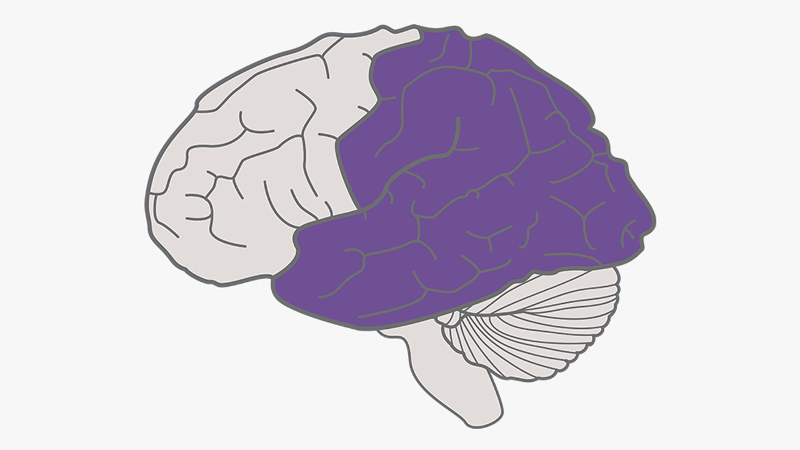 Design options for perception, language and symbols, and building knowledge.
Explore Representation in the UDL Guidelines
Action & Expression
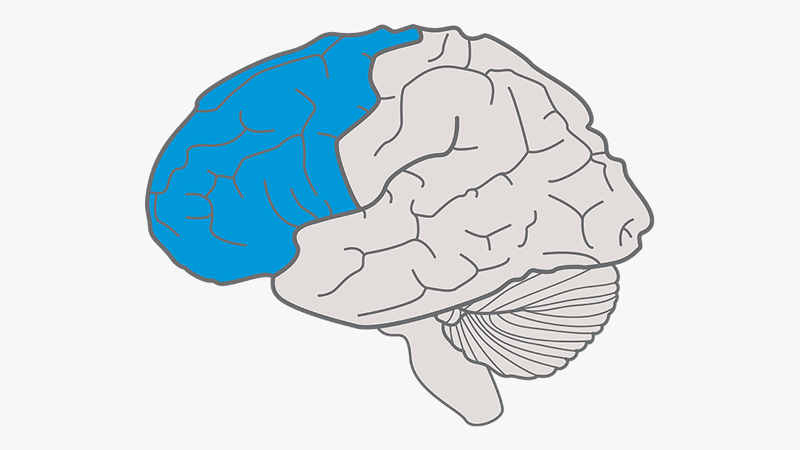 Design options for interaction, expression and communication, and strategy development.
UDL to Change the World
CAST created the Universal Design for Learning framework, and it remains one of our core levers of change to help make learning inclusive and transformative for everyone.
Become part of a global movement driving innovation in education.
Stay connected with CAST for the latest updates on UDL and inclusive education, free webinars, professional development opportunities, and events like UDL-Con: International.